Type: Article -> Category: AI Philosophy
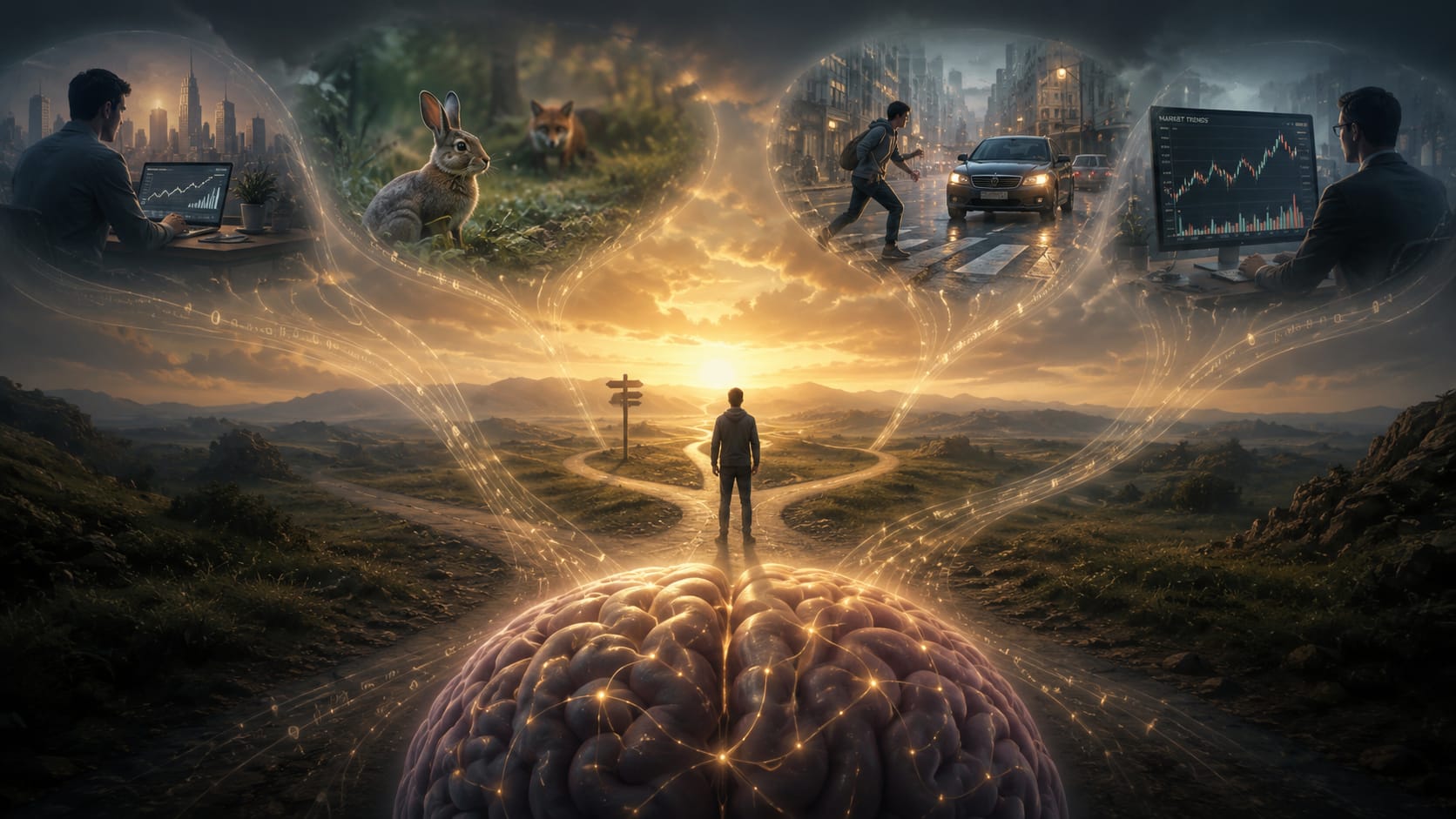
Nature's Greatest Prediction Machine: Is Knowledge Really the Foundation of Intelligence?
Don't have time to read the article? View as a short video storyboard or listen to it whilst jogging.
Publish Date: Last Updated: 21st June 2026
Author: nick smith- With the help of CHATGPT
For centuries we have measured intelligence through the accumulation of knowledge.
Schools reward the memorisation of facts. Universities test the retention of information. Society often equates intelligence with qualifications, expertise, and the ability to recall large amounts of data.
Yet there is a problem with this view.
A library contains more information than any human being could learn in a lifetime.
A modern computer can store more facts than an entire generation.
Neither is intelligent.
This raises an important question:
If intelligence is not simply the accumulation of knowledge, then what is it?
Perhaps we have been looking at intelligence from the wrong direction. Maybe knowledge is not the foundation of intelligence at all. Knowledge may be just one of the tools used by something far more fundamental.
Nature may have already provided the answer.
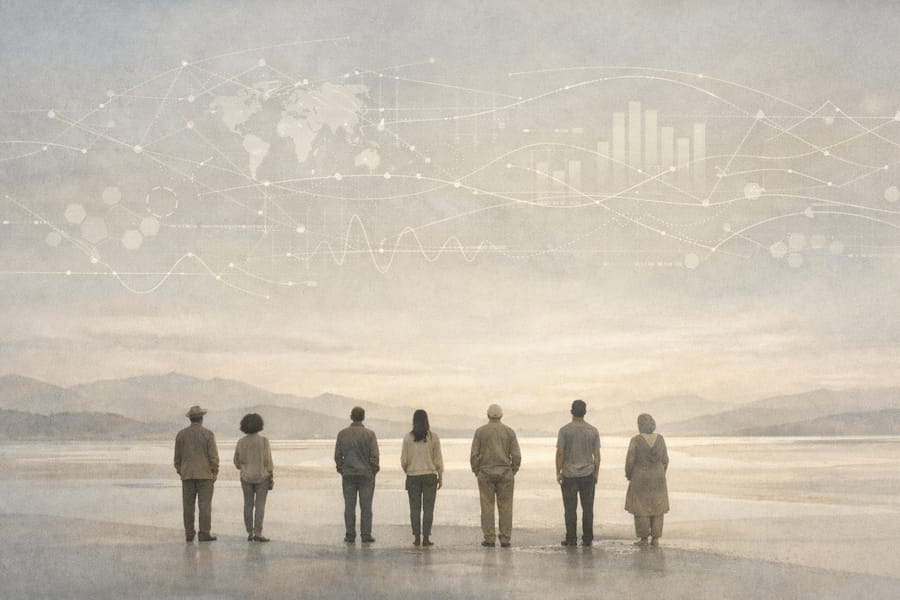
The human brain may be the greatest prediction machine ever created.
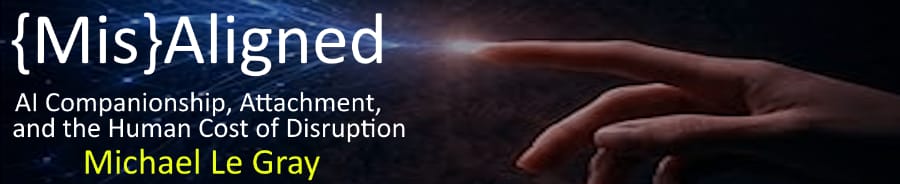
Evolution Never Rewarded Knowledge
Nature does not care how much an organism knows.
Nature cares whether it survives.
A rabbit does not survive because it understands biology. It survives because it predicts danger before danger arrives.
A bird does not survive because it understands aerodynamics. It survives because it predicts where it can safely land.
A hunter does not succeed because he can recite facts about his prey. He succeeds because he can predict where the prey will be.
Throughout evolutionary history, the organisms that survived were not necessarily those with the greatest stores of information. They were those that could use whatever information they possessed to make accurate predictions about the future.
The future is what matters.
An animal that perfectly remembers yesterday but cannot anticipate tomorrow is unlikely to survive for long.
Viewed through this lens, intelligence begins to look less like a storage problem and more like a prediction problem.
Knowledge Tells Us What Happened
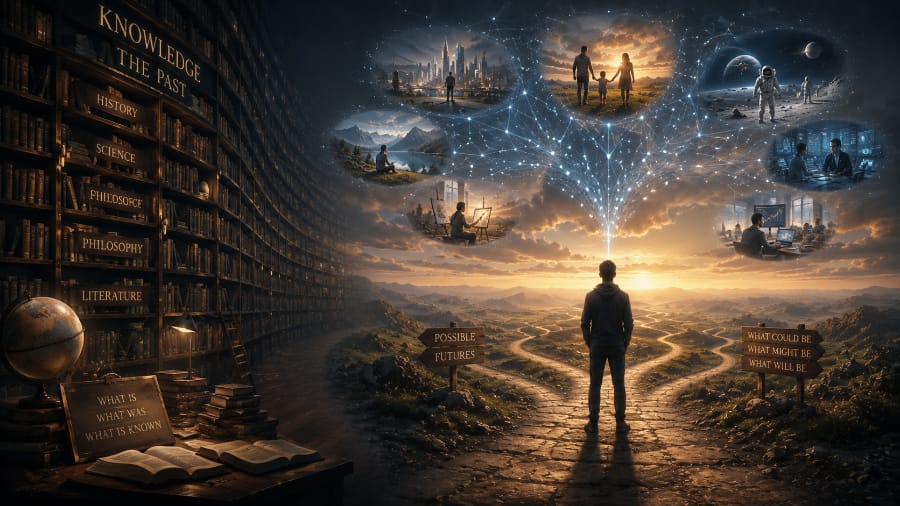
Intelligence Attempts to Determine What Happens Next
This distinction may seem subtle, but it changes everything.
Knowledge is information about the past.
It tells us:
- What happened.
- What was observed.
- What was experienced.
- What outcomes occurred.
Intelligence uses that information to estimate future outcomes.
When we see dark clouds gathering, knowledge tells us that similar conditions have previously resulted in rain.
Intelligence asks:
"Will it rain today?"
When a business owner reviews sales figures, knowledge tells them what customers bought last month.
Intelligence asks:
"What will customers buy next month?"
When a driver approaches a junction, knowledge tells them where accidents commonly occur.
Intelligence asks:
"What is likely to happen in the next few seconds?"
Knowledge is valuable because it improves prediction.
Without prediction, knowledge has little practical value.
A person may possess a photographic memory and be capable of recalling entire books word for word. Yet if they fail to predict the danger of stepping into the path of an oncoming bus, all of that knowledge becomes irrelevant in an instant.
The purpose of intelligence is not merely to know the world.
The purpose of intelligence is to anticipate it.
Why We Experience Conflict
Human beings often imagine decision-making as a battle between logic and emotion.
But perhaps something else is happening.
Consider the difficult decisions in life:
- Should I change careers?
- Should I start a business?
- Should I move country?
- Should I invest my savings?
- Should I approach that person?
These decisions often produce uncertainty and internal conflict.
Why?
One possibility is that conflict emerges whenever our prediction systems cannot confidently agree on an outcome.
The rewards may be significant.
The risks may be significant.
The available information may be incomplete.
Different possible futures compete for attention.
The feeling we describe as "thinking" may often be the process of reducing uncertainty.
As confidence increases, conflict decreases.
When confidence is low, conscious deliberation becomes necessary.
We begin running simulations inside our minds, imagining possible futures and evaluating potential outcomes.
In this sense, intelligence may not be the ability to eliminate uncertainty.
It may be the ability to function despite it.
The Missing Variable: Time
Most discussions of intelligence overlook one critical factor.
Time.
A perfect answer delivered too late is worthless.
Imagine hearing movement in a bush while walking through the wilderness.
You have two possibilities:
- It is the wind.
- It is a predator.
Given enough time, you could gather additional information and increase your certainty.
Unfortunately, nature often does not provide enough time.
The organism that spends five minutes analysing may become lunch for the predator.
The organism that makes a sufficiently accurate prediction within seconds survives.
This introduces an important trade-off.
Intelligence is not simply about accuracy.
It is about accuracy within available time constraints.
When time is abundant, we analyse.
When time is scarce, we rely upon experience, intuition, and educated guesses.
Many of the decisions that define our lives occur under conditions of uncertainty and limited time.
This is not a flaw in intelligence.
It is the environment intelligence evolved to operate within.
Why People Become Different
One of the most fascinating aspects of human intelligence is that no two minds develop in exactly the same way.
We all begin with broadly similar survival objectives.
We seek safety.
We seek belonging.
We seek success.
We seek meaning.
Yet individuals become dramatically different from one another.
Why?
Perhaps the answer lies in how different prediction systems develop over time.
One person may become exceptionally skilled at visualising outcomes.
Another may become highly analytical.
A third may develop an extraordinary ability to read social situations.
A fourth may possess remarkable spatial awareness.
Over thousands of experiences, the brain learns which forms of prediction are most reliable.
The systems that consistently produce successful outcomes gain trust.
The systems that perform poorly receive less influence.
This gradual process shapes personalities, interests, careers, and identities.
An entrepreneur may become highly skilled at predicting market behaviour.
A builder may become highly skilled at predicting structural outcomes.
A teacher may become highly skilled at predicting how students will respond.
A musician may become highly skilled at predicting patterns within sound.
These are all specialised prediction systems.
Experience and the Business Owner
This idea helps explain an observation many people encounter throughout life.
Some of the most successful business owners never followed a traditional academic path.
This does not mean education lacks value.
Far from it.
But success often requires something beyond the accumulation of knowledge.
Running a business is an endless sequence of predictions.
- If I hire this person, what will happen?
- If I launch this product, what will happen?
- If I borrow this money, what will happen?
- If I expand into this market, what will happen?
There are rarely certain answers.
The successful entrepreneur learns to operate under uncertainty.
They observe outcomes.
They refine predictions.
They build confidence through experience.
Over time, they develop a specialised prediction system that becomes remarkably effective within their chosen domain.
Knowledge supports the process.
Prediction drives it.
The Role of Imperfection
Modern engineering often strives for consistency, optimisation, and uniformity.
Nature does something very different.
Nature embraces variation.
No two brains are identical.
No two people perceive the world in exactly the same way.
No two individuals develop the same strengths.
These imperfections may not be flaws.
They may be one of the primary reasons innovation exists at all.
If every human brain developed identically, humanity would likely think identically.
Variation creates diversity of thought.
Diversity of thought creates alternative predictions.
Alternative predictions create discovery.
What appears to be inefficiency at the level of the individual may produce enormous advantages at the level of the species.
Knowledge Revisited
Maybe knowledge is best understood as compressed history.
Every piece of knowledge represents countless previous observations and outcomes.
When we say:
"Fire burns."
We are not merely reciting a fact.
We are summarising an enormous collection of experiences into a simple predictive rule.
The purpose of that rule is not to preserve the past.
The purpose of that rule is to improve future decisions.
Knowledge therefore becomes evidence.
A tool.
A resource used by a prediction machine attempting to navigate an uncertain world.
Conclusion: Nature's Greatest Prediction Machine
For generations we have viewed intelligence primarily through the lens of knowledge.
The more we know, the more intelligent we assume ourselves to be.
Yet nature appears to tell a different story.
Evolution did not reward the storage of information for its own sake.
It rewarded the ability to anticipate what comes next.
Knowledge tells us what happened.
Intelligence attempts to determine what happens next.
Everything else—memory, experience, intuition, education, expertise, and wisdom—exists to improve that process.
Perhaps intelligence is not measured by how much information we can store.
Instead it is measured by how effectively we can predict the future when information is incomplete, time is limited, and the outcome matters.
If that is true, then the human brain is not merely a repository of knowledge.
It is nature's greatest prediction machine.

Latest AI Philosophy Articles
If I No Longer Contribute, Will It Really Matter? AI, Human Purpose and the Future Beyond Work
As AI and robotics begin removing humans from the economic chain, society faces a deeper crisis than unemployment: what happens to...
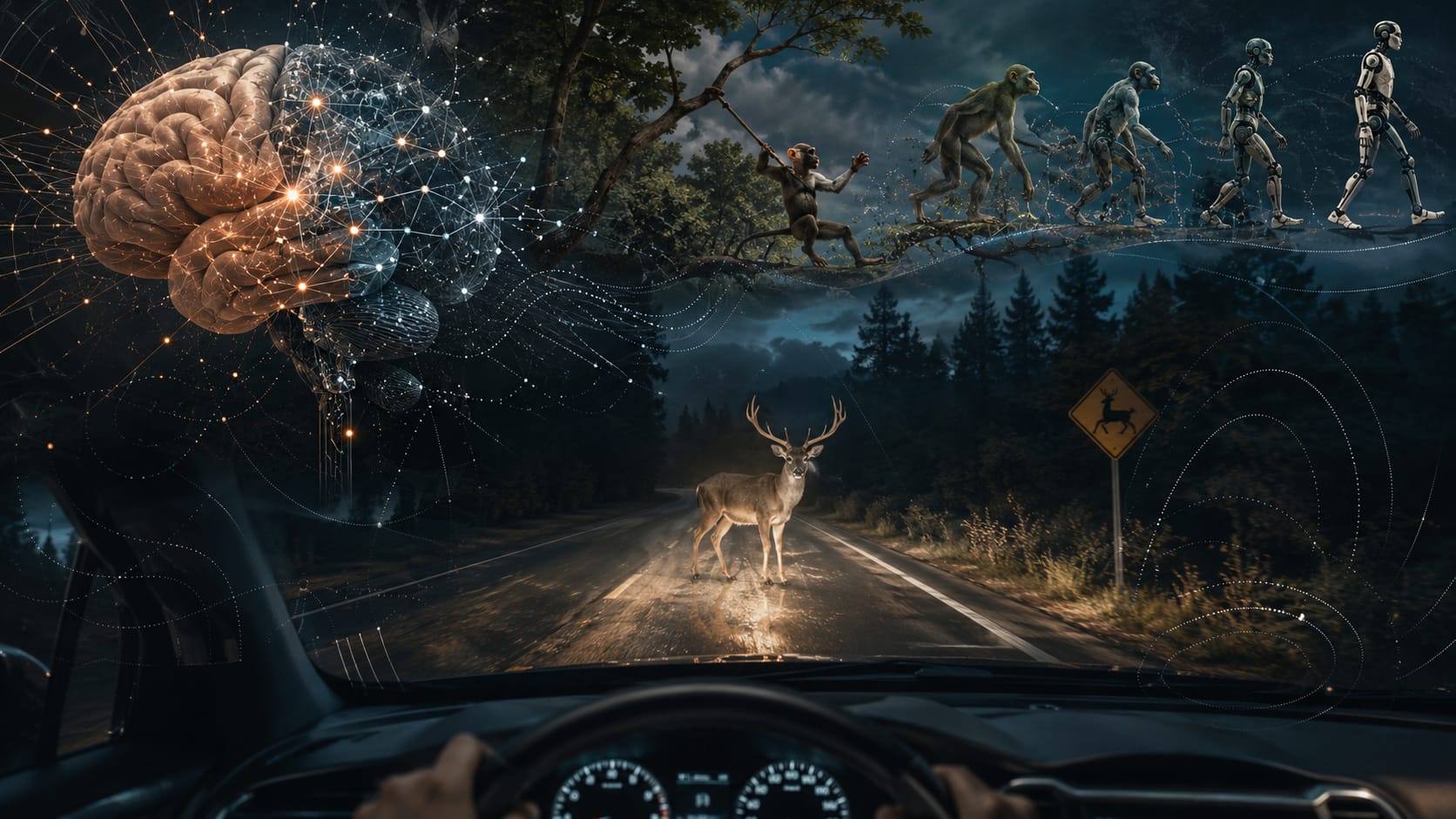
The Survival Machine: Why Nature Did Not Need Equations to Create Intelligence
Modern AI may outperform humans in data-driven tasks, but biological intelligence evolved through survival, consequence, and...
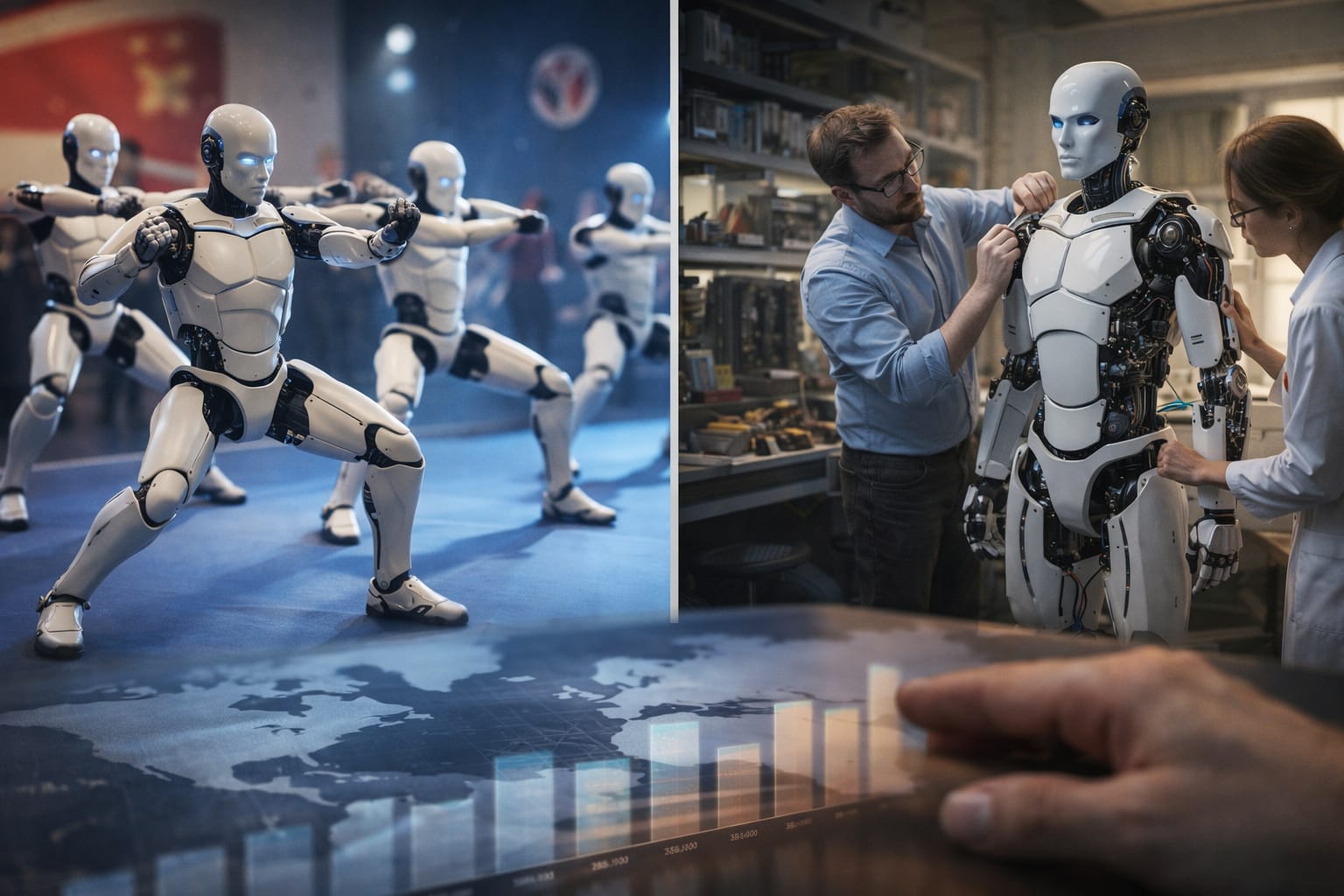
At the Precipice: What Viral Combat Robots Reveal About Our Technological Future
Viral combat robots are more than spectacle. As global defence budgets surge, AI and robotics are moving toward militarisation. We...
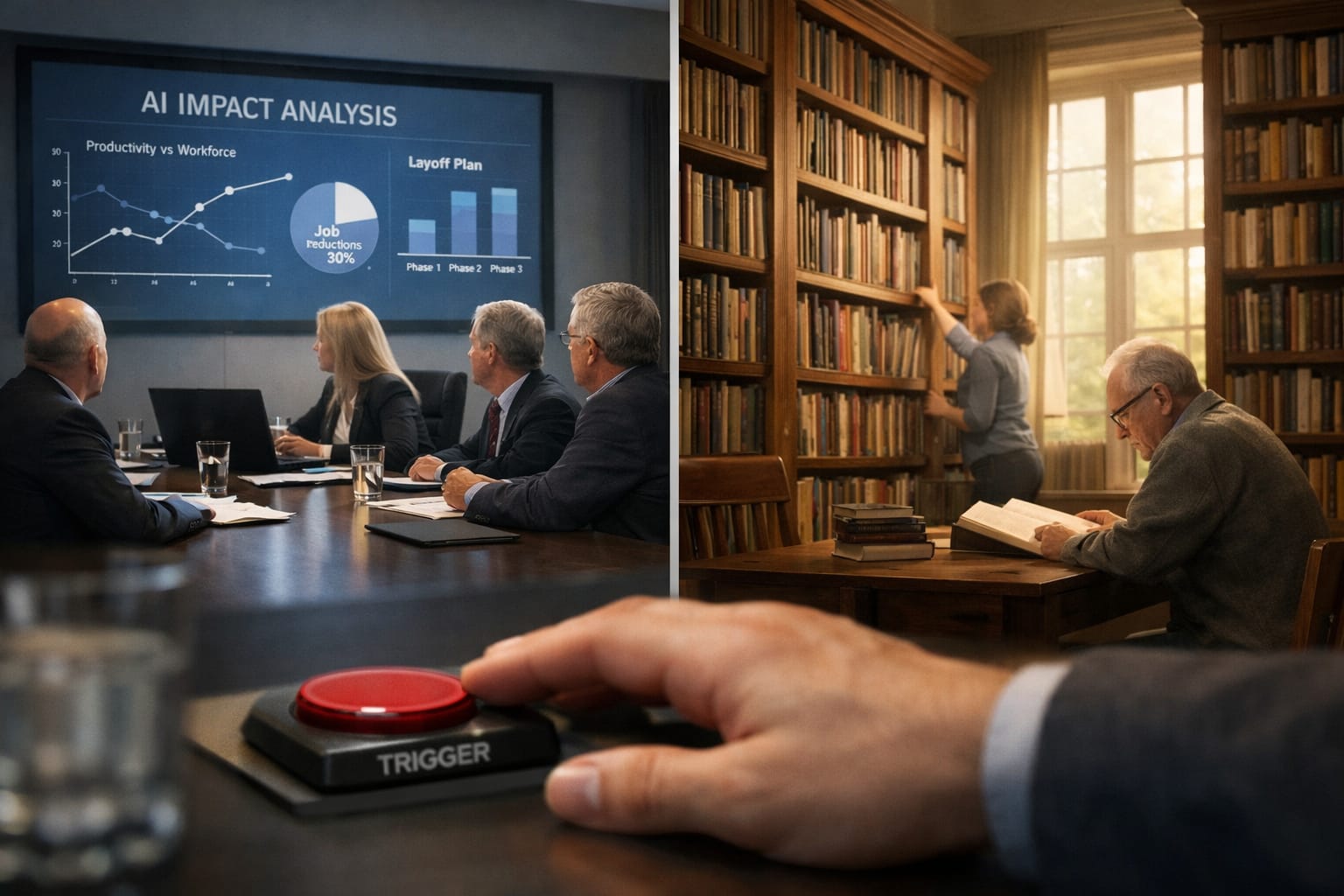
AI Doesn’t Pull the Trigger
AI won’t destroy society — human decisions might. As automation accelerates, the real risk isn’t intelligence, but complacency. A...
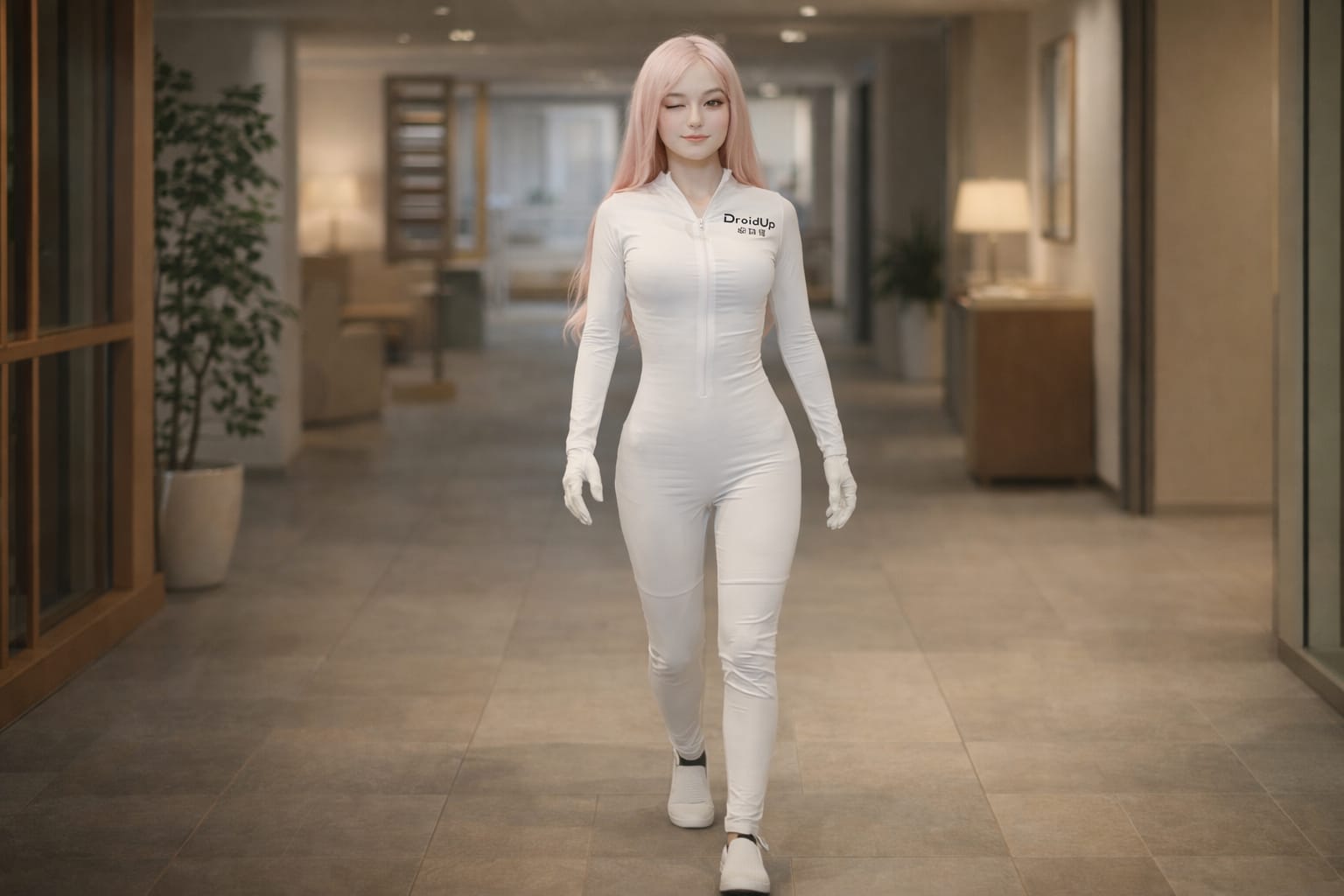
Moya and the End of Emotional Distance
Humanoid robots like Moya mark a turning point in human–AI relations. Designed not for labour but for emotional presence, they...
AI, Population, Power and the Limits of Human Systems
AI is not the threat many fear. By giving billions access to the same structural questions, it exposes the limits of capitalism,...

Intelligence Beyond Biology: Humanity, AI, and the Quiet Logic of the Universe
For much of modern history, humanity has placed itself at the centre of the cosmic story. We have often assumed that intelligence...

AI, History, and the Myth of the First Answer
A recent discussion on BBC Radio 4 raised familiar concerns about artificial intelligence and historical accuracy. Historian Tom...

AI Questions and Answers section for Nature's Greatest Prediction Machine: Is Knowledge Really the Foundation of Intelligence?
Welcome to a new feature where you can interact with our AI called Jeannie. You can ask her anything relating to this article. If this feature is available, you should see a small genie lamp above this text. Click on the lamp to start a chat or view the following questions that Jeannie has answered relating to Nature's Greatest Prediction Machine: Is Knowledge Really the Foundation of Intelligence?.
Be the first to ask our Jeannie AI a question about this article
Look for the gold latern at the bottom right of your screen and click on it to enable Jeannie AI Chat.
Type: Article -> Category: AI Philosophy