Type: Article -> Category: AI Business

When AI Catches the Flu: Why Backup, Recovery, and Resilience Mean Something Different for Intelligent Systems
Watch this article as a story board video
Publish Date: Last Updated: 5th February 2026
Author: nick smith- With the help of CHATGPT
Introduction: A Simple Question We Rarely Ask
In most businesses, it is rare for everyone to be sick at the same time.
One employee might catch the flu. Another might be off for a few days. Work slows, but it continues. If someone is absent long-term, a temporary worker can be brought in. The organisation absorbs the disruption and recovers.
Now ask a question that few companies have seriously considered:
What happens when the intelligence running the business gets sick?
Not crashes.
Not outages.
But subtle, systemic corruption.

Human Systems Fail Locally. AI Systems Fail Globally.
Human organisations are naturally resilient because intelligence is distributed.
People think differently. Make different mistakes. Fall ill at different times. Even when humans fail, their failures are fragmented and visible.
AI systems are the opposite.
They are:
- centralised
- standardised
- scalable
- silently trusted
When an AI system fails, it does not fail like a human.
It fails everywhere at once.
What Do We Mean When We Say “AI Gets a Virus”?
“Virus” is a metaphor — but a useful one.
An AI system can be compromised through:
- data poisoning (malicious or polluted training data)
- prompt injection (inputs that override intended controls)
- model drift (reality changing while the model doesn’t)
- feedback contamination (learning from its own flawed outputs)
- dependency failures (third-party models or APIs degrading)
None of these cause dramatic crashes.
They cause plausible errors at scale.
The system keeps working.
The business keeps trusting.
The damage accumulates quietly.
Why You Can’t “Just Restore from Backup”
With conventional software, recovery is simple:
- reload the code
- restore the database
- roll back to a known-good state
The software behaves exactly as it did before.
AI does not work like this.
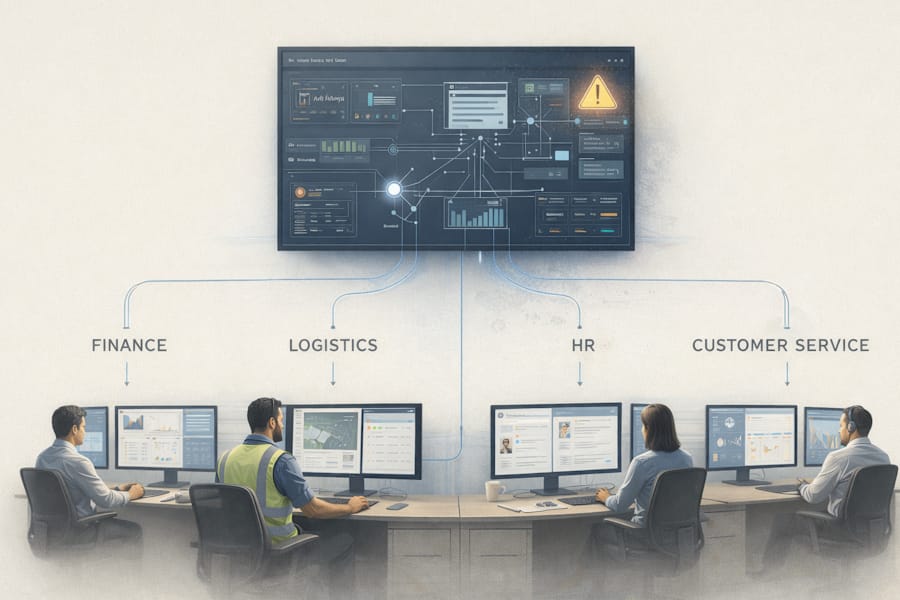
AI Is Not Software. It Is a Living System.
An AI deployment is not one thing. It is a stack:
- Model architecture
- Trained weights
- Training data
- Live input data
- Feedback loops
- Prompts and context rules
- Integrations with other systems
You can back up the code.
You can snapshot the weights.
But the moment the AI interacts with the real world, it changes.
Quietly. Continuously. Irreversibly.
The Backup Paradox
Here is the paradox businesses rarely acknowledge:
If an AI truly learns, rolling it back destroys knowledge.
If it doesn’t learn, it isn’t intelligence; it’s automation.
A restored AI is not returning to yesterday’s world.
It is being dropped into today’s world with yesterday’s assumptions.
That mismatch alone can cause failure.
What Businesses Call “AI Backup” Is Actually Forensics
In practice, organisations back up:
- model snapshots
- datasets
- prompt versions
- logs and metrics
This does not restore health.
It helps identify when the illness started.
You are not curing the system.
You are investigating it.
The Temp Problem: You Can’t Hire a Replacement Intelligence
When a human is sick, a temp can step in.
When an AI system is compromised, the replacement is often:
- trained on the same data
- built by the same vendor
- shaped by the same assumptions
- integrated into the same pipelines
You are replacing a failing system with its identical twin.
This creates a monoculture risk — well understood in farming and cybersecurity, but still ignored in AI strategy.
The Most Dangerous Failures Don’t Look Like Failure
A corrupted AI rarely screams “I’m broken”.
Instead it:
- slightly misprices risk
- subtly biases decisions
- misprioritises resources
- erodes trust slowly
Each decision appears reasonable.
Collectively, the organisation drifts off course.
Humans call this intuition failure.
In AI, it is undetected systemic illness.
Why Self-Correction Isn’t Immunity
Vendors often claim:
- “The model retrains continuously”
- “It self-corrects over time”
- “It adapts to new conditions”
But learning only works if the feedback is clean.
If the AI is learning from corrupted outcomes, it is not healing.
It is reinforcing the infection.
Resilience Is Not Intelligence
The core mistake businesses make is assuming intelligence equals resilience.
It does not.
Resilience comes from:
- diversity
- redundancy
- disagreement
- human oversight
- graceful failure
Humans are resilient because no two minds are the same.
Many AI strategies quietly assume one mind should run everything.
So What Does AI Resilience Actually Look Like?
Real resilience means:
- multiple independent models
- human override points
- confidence thresholds, not blind trust
- continuous drift detection
- manual systems that still work
Not because AI is bad.
But because centralised intelligence is fragile.
Conclusion: Humans Recover. Systems Collapse.
Humans get sick individually.
They recover unevenly.
They adapt naturally.
AI fails collectively.
It fails silently.
It fails at scale.
The real danger is not AI rebellion.
It is the assumption that intelligence can be backed up, restored, and trusted like software.
Efficiency is powerful.
Resilience is survival.
Latest AI Business Articles
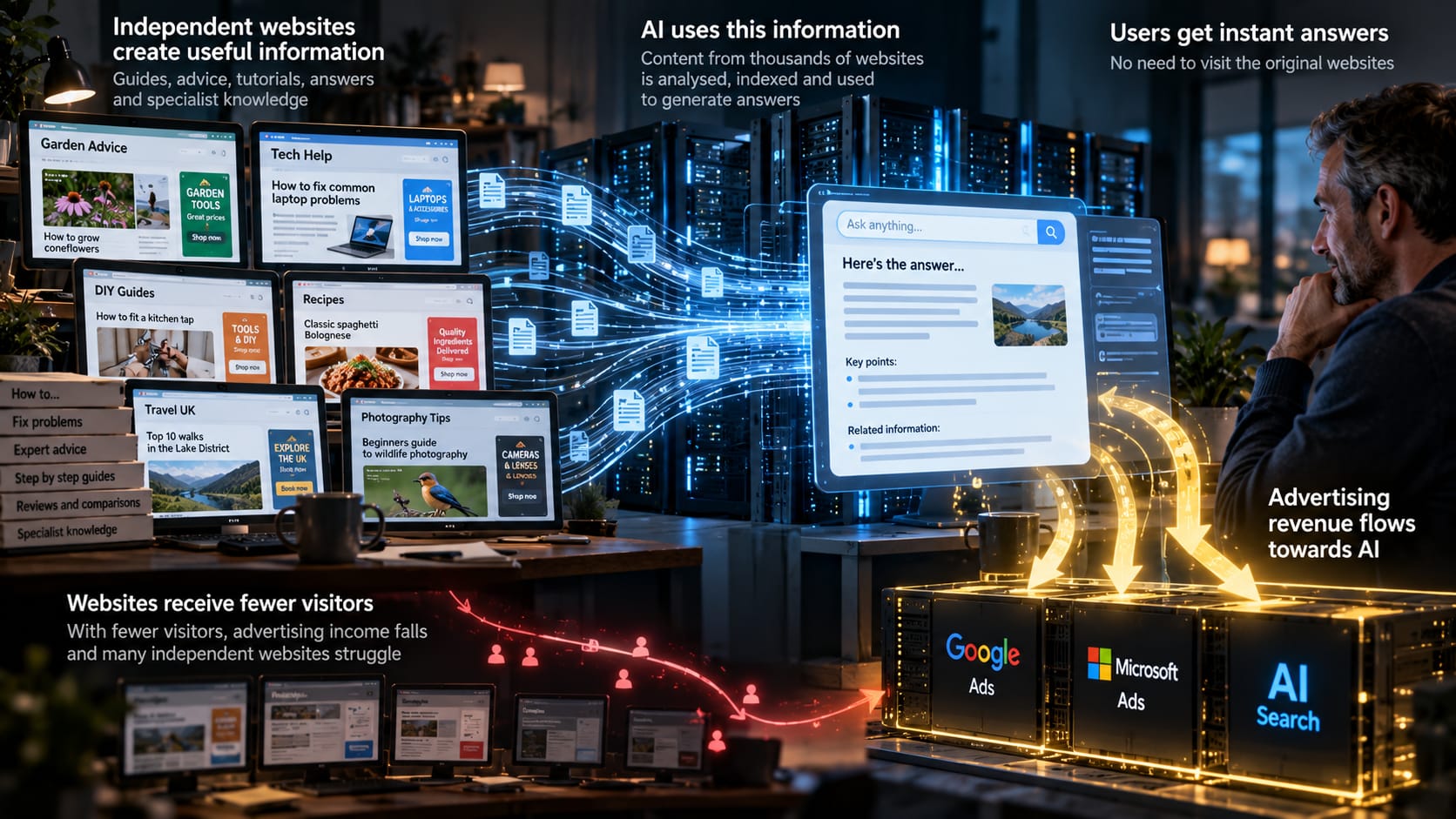
The AI Advertising Paradox
AI search gives us answers without requiring us to visit the websites that created them. That's convenient for users, but...
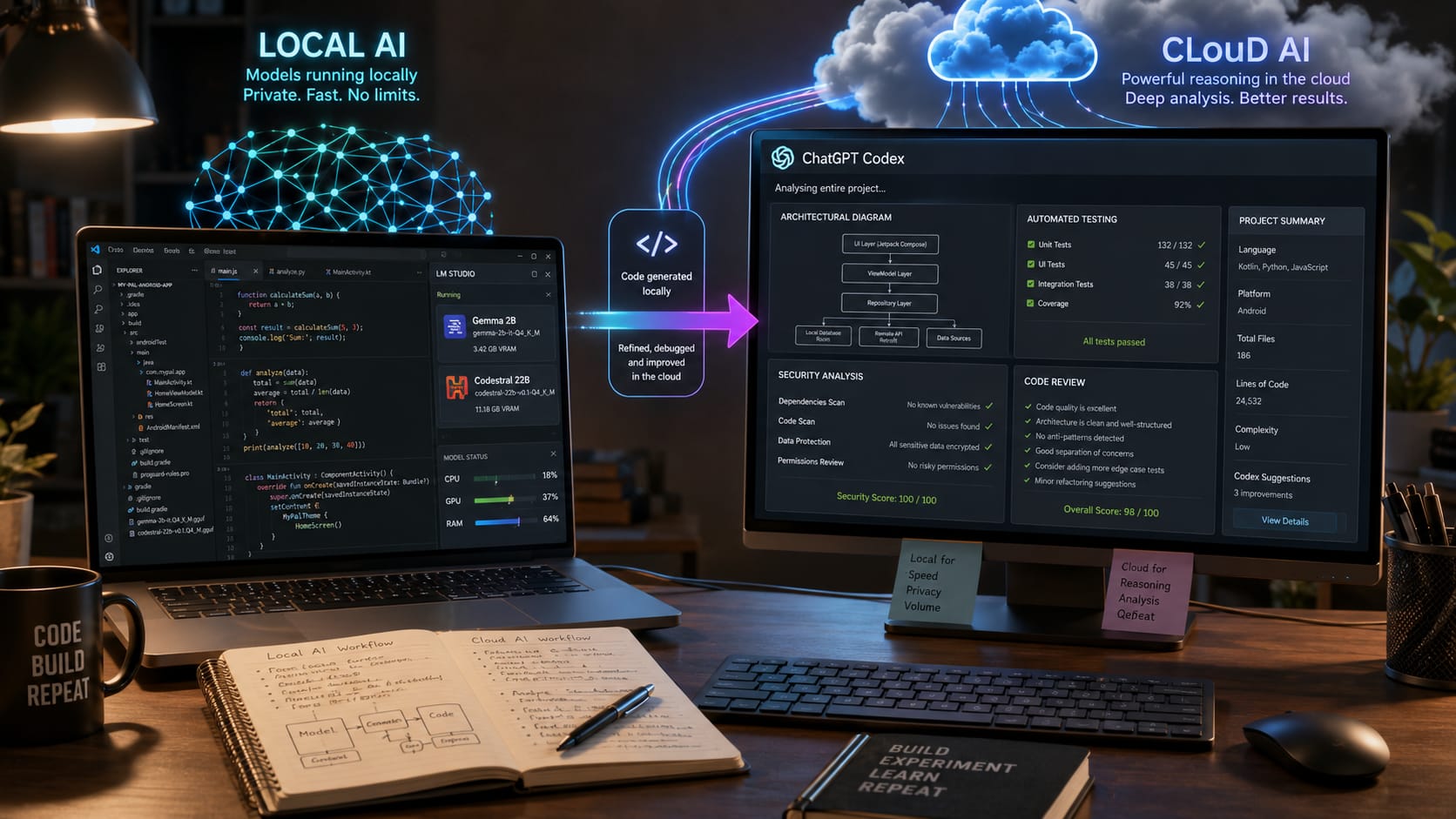
Coding with Local AI vs Cloud AI
Cloud AI transformed the way I write software, but growing projects also brought growing concerns over usage limits. After a week...
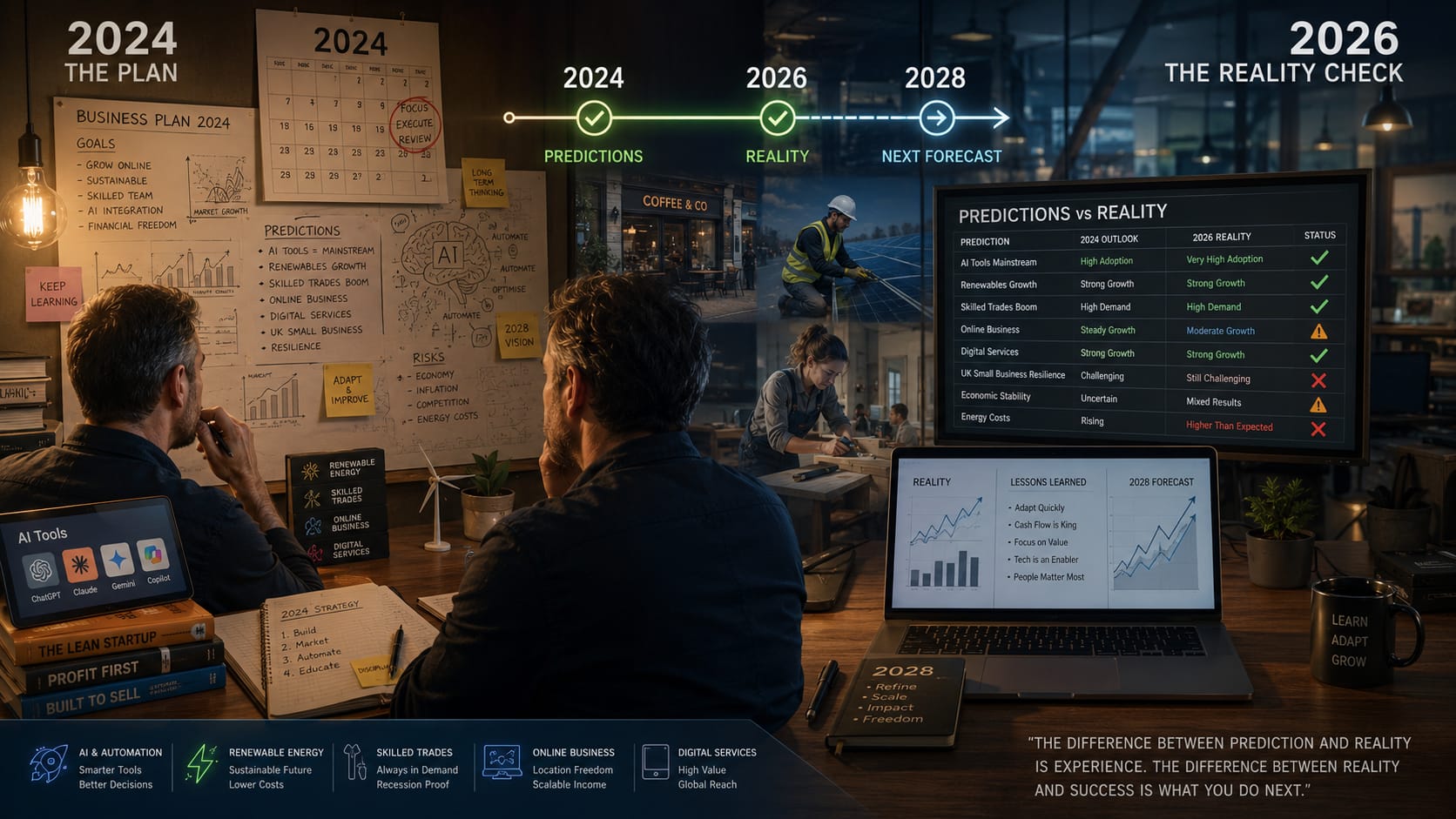
If You Wanted to Start a Business in the UK Today… Were We Right?
Two years ago, we predicted the best businesses to start in the UK. Now it's time to hold those predictions accountable. Discover...
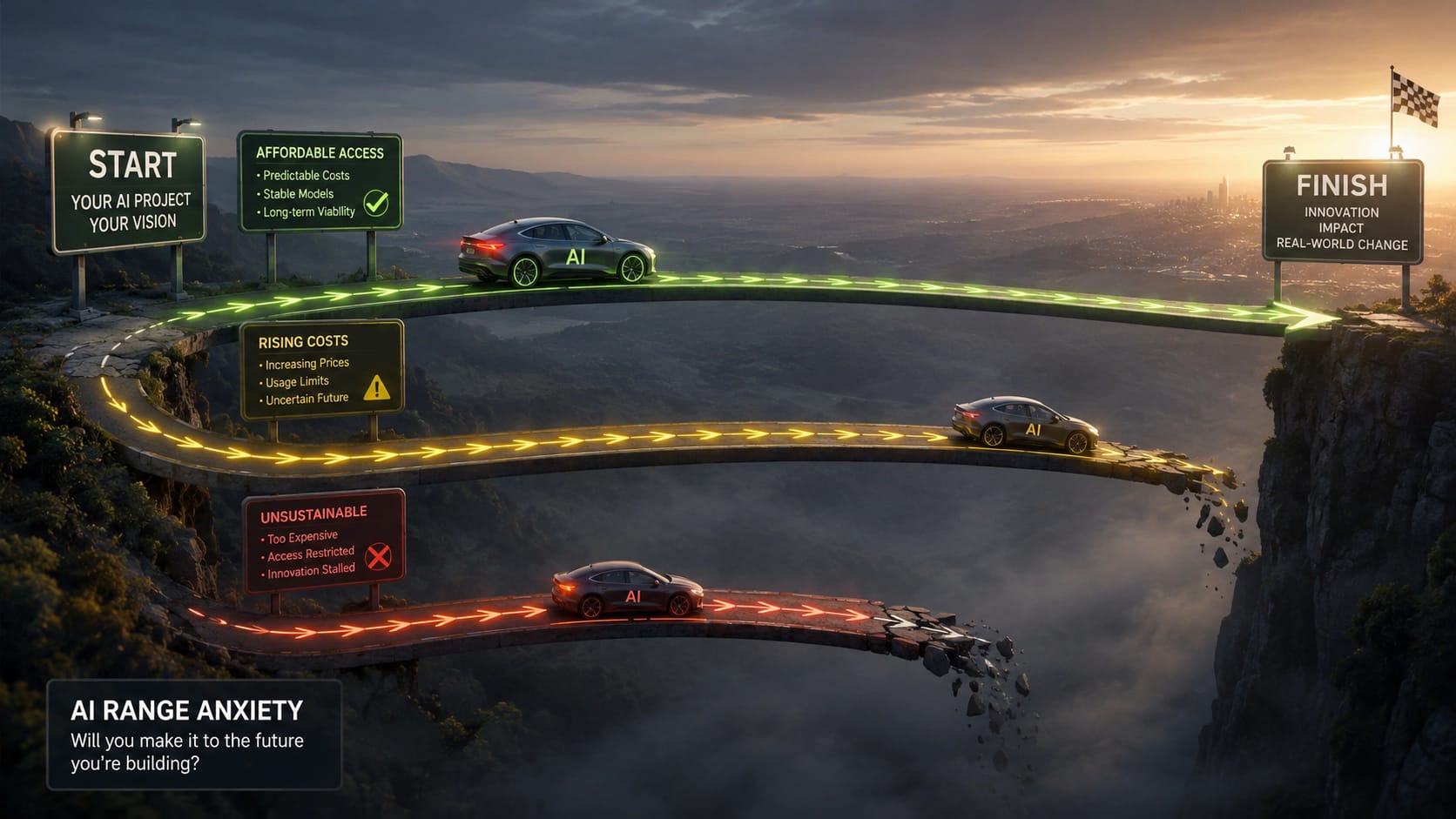
AI Range Anxiety: Will Rising AI Costs Slow Innovation?
Artificial intelligence has transformed the way developers, researchers and creators work. But as AI becomes an essential tool, a...
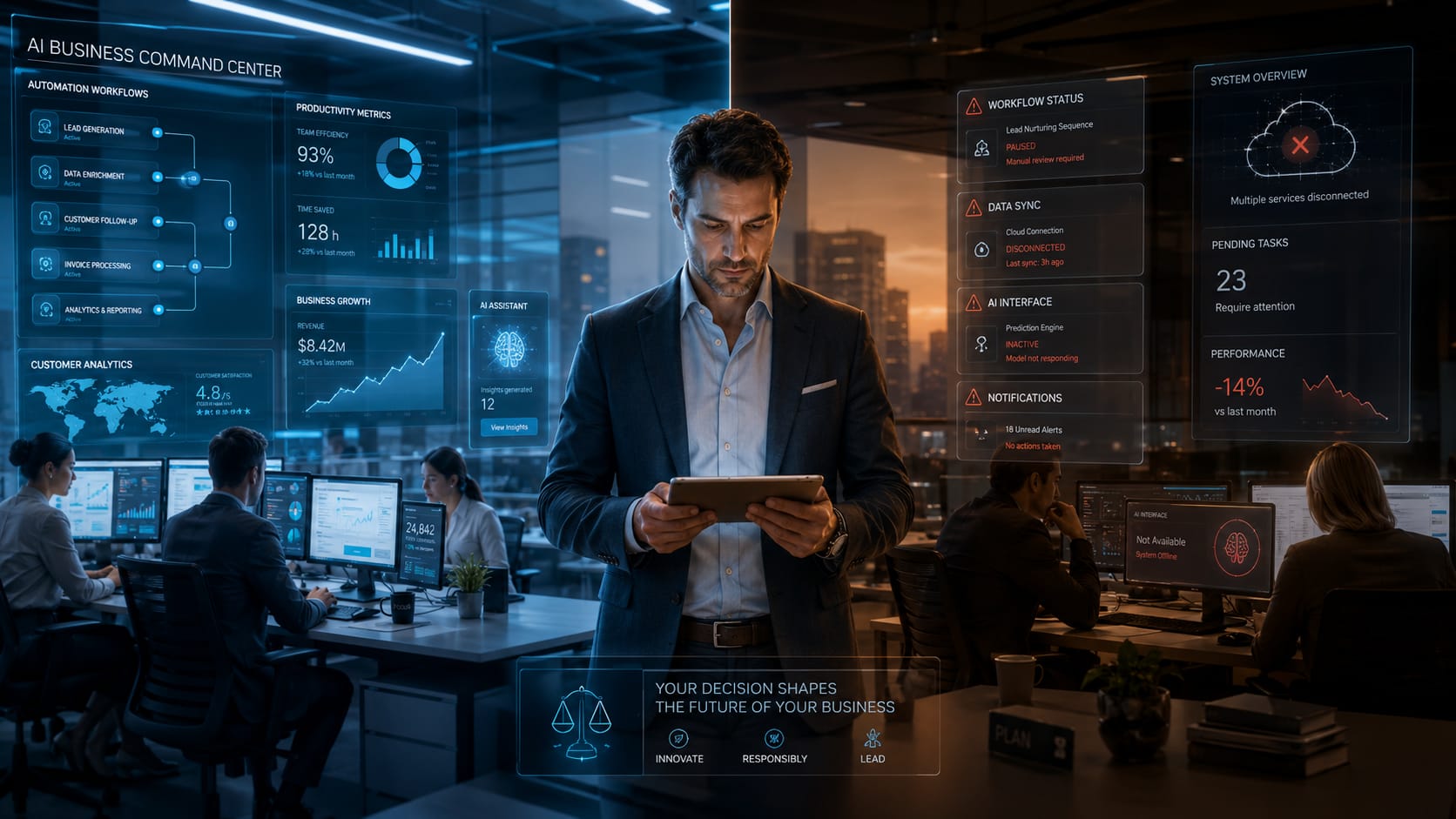
Are You in Charge of Your AI – Or Is AI in Charge of You?
Artificial Intelligence can improve efficiency and reduce costs, but are you still making the decisions? Discover how businesses...
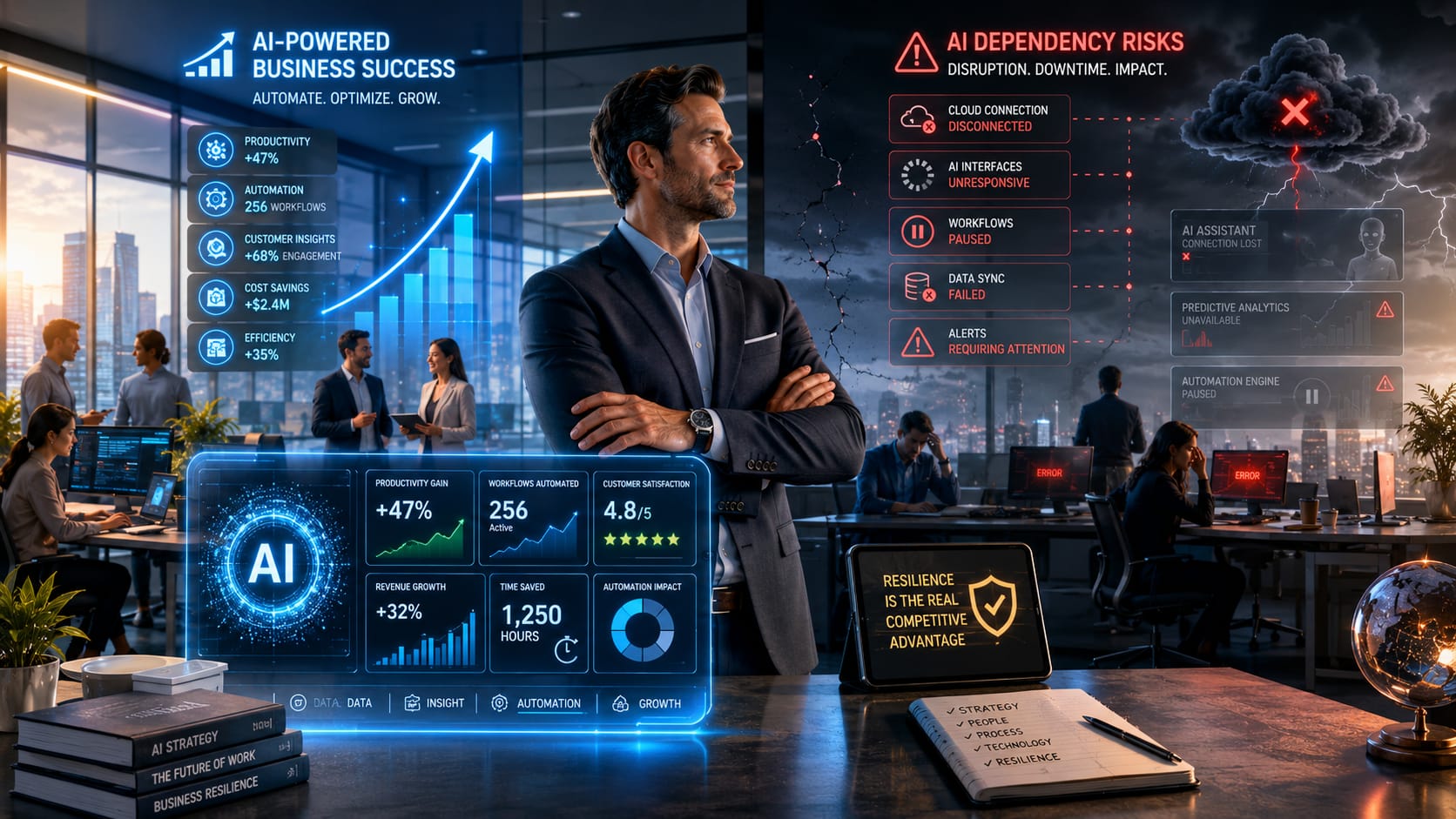
AI Can Transform Your Business – But What Happens When It Fails?
Artificial Intelligence can transform productivity, efficiency and customer service, but over-reliance creates new business risks....

The Invisible Battlefield: How AI Trading Bots Could Turn Geopolitical Conflict into Financial Shockwaves
AI trading bots now react to global news in milliseconds. During geopolitical crises, these automated systems can amplify market...

From Digital Currency to Volatility Engine: What Crypto Became in the Age of AI
Crypto began as a decentralised currency experiment. Today it functions as a high-volatility speculative market, now accelerated...

AI Questions and Answers section for When AI Catches the Flu: Why Backup, Recovery, and Resilience Mean Something Different for Intelligent Systems
Welcome to a new feature where you can interact with our AI called Jeannie. You can ask her anything relating to this article. If this feature is available, you should see a small genie lamp above this text. Click on the lamp to start a chat or view the following questions that Jeannie has answered relating to When AI Catches the Flu: Why Backup, Recovery, and Resilience Mean Something Different for Intelligent Systems.
Be the first to ask our Jeannie AI a question about this article
Look for the gold latern at the bottom right of your screen and click on it to enable Jeannie AI Chat.
Type: Article -> Category: AI Business